Schedule An Appointment Now!
Your Trusted Choice for Physical Therapy and Wellness!
Schedule Appointment

.png)
.png)
EXOMIND® is a breakthrough, FDA approved,
drug-free brain stimulation therapy that helps relieve depression, anxiety, PTSD, and emotional eating —
in as few as 6 sessions.
No medications. No downtime. Just results!
.svg)
.png)
.svg)
"EXOMIND represents a significant advancement in the field of TMS technology... It is effective, and it is giving patients meaningful outcomes when other interventions have failed.”
Michelle Dees, MD
Luxury Psychiatry Clinic
.png)
.png)
.png)
.png)
.png)

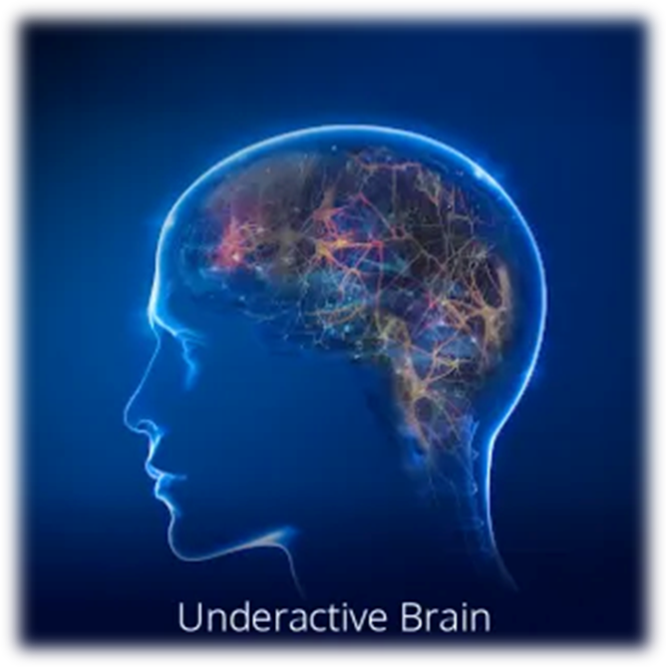
When you struggle with depression, anxiety, PTSD, or emotional eating, specific areas of your brain become underactive. The prefrontal cortex — the region responsible for mood, motivation, focus, and self-control — stops communicating the way it should.
That’s why positive thinking alone doesn’t work. That’s why some medications fall short. The problem isn’t your character. The problem is a brain circuit that needs to be reactivated.
EXOMIND® targets this exact issue.
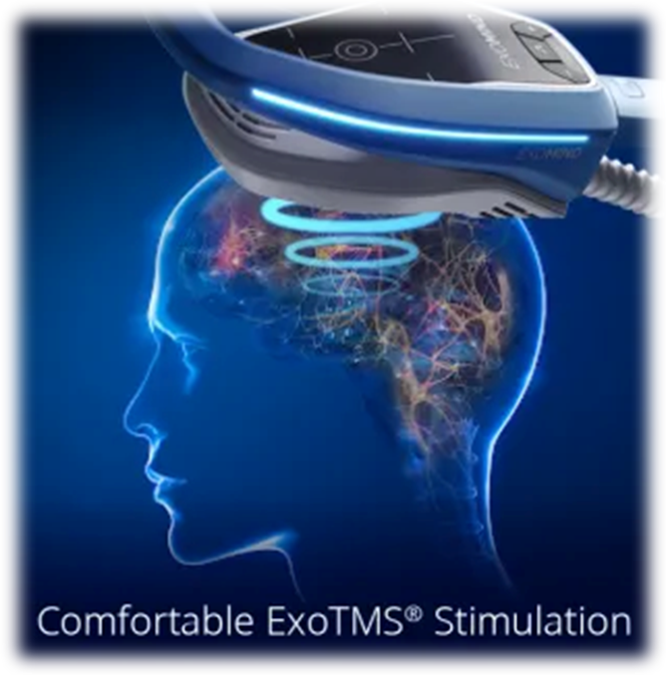
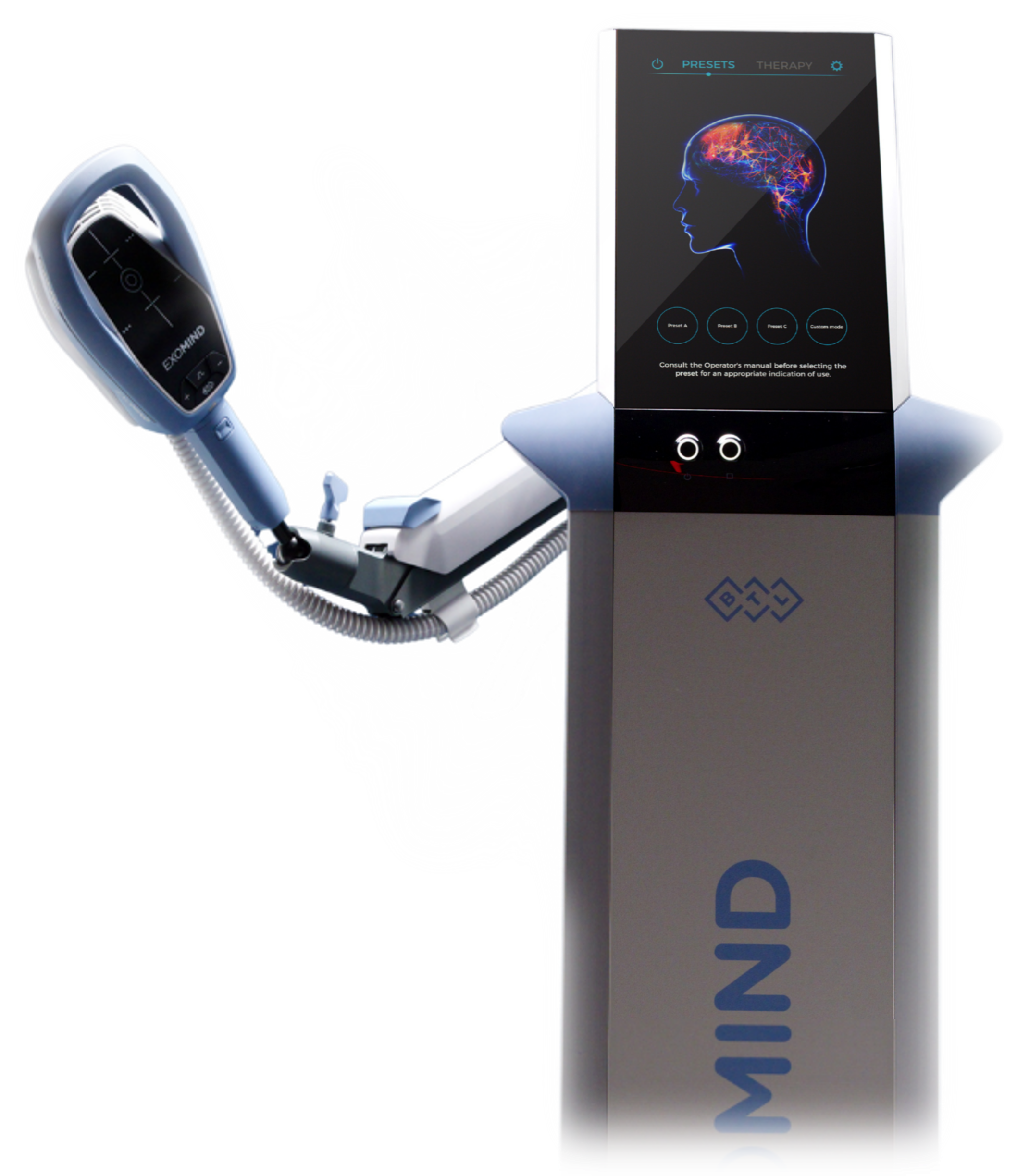
EXOMIND® is an FDA-cleared, non-invasive brain stimulation therapy that uses patented ExoTMS™ technology to reactivate the neural circuits responsible for mood, emotional regulation, and self-control.
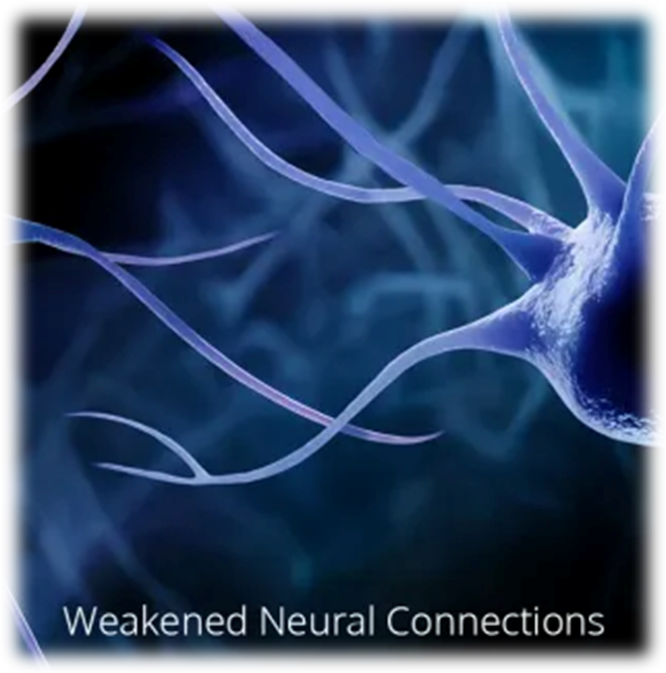
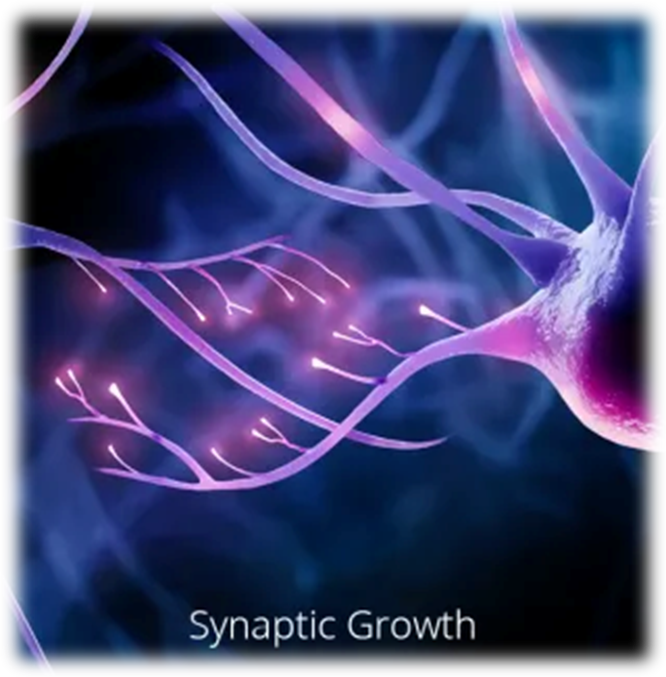
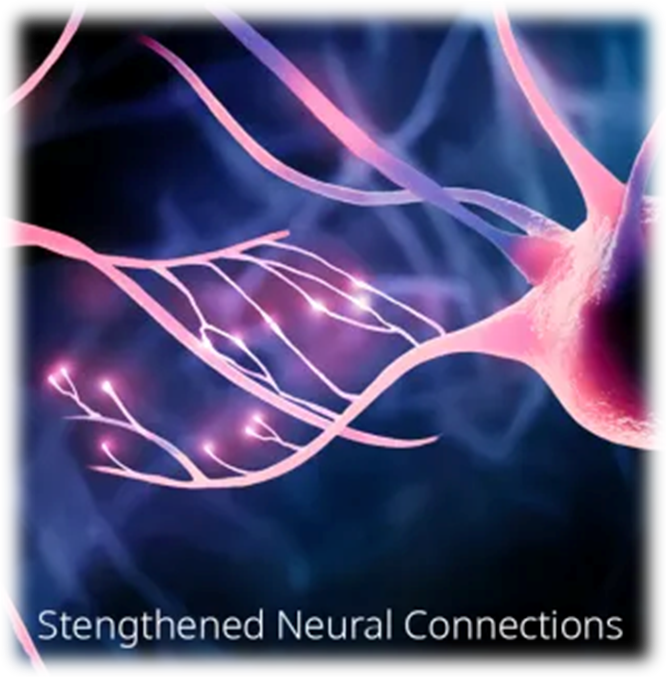
Think of it as physical therapy for your brain. Targeted magnetic pulses gently stimulate the prefrontal cortex, encouraging your brain to form stronger, healthier neural pathways through a natural process called neuroplasticity.
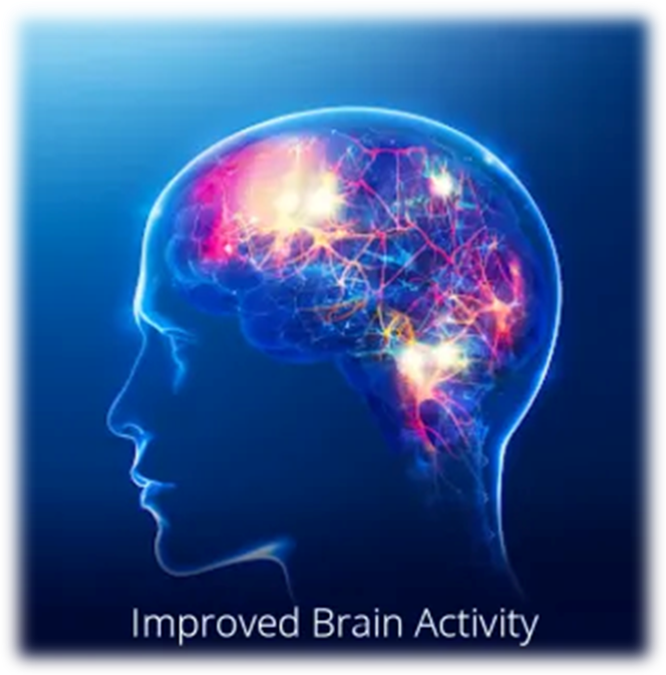
The result? Patients often report improved mood, sharper focus, better emotional resilience, and a renewed sense of control over their lives.
.png)
.png)
.png)
.png)


Your Trusted Choice for Physical Therapy and Wellness!
Depression isn't sadness you can shake off. It's a heaviness that settles into everything — your sleep, your energy, your ability to care about the things that used to matter. When the prefrontal cortex becomes underactive, your brain literally loses the ability to regulate mood effectively.
EXOMIND® is FDA-cleared specifically for Major Depressive Disorder in adults who haven't found relief from medication alone. By directly stimulating the brain circuits responsible for emotional regulation, EXOMIND® helps restore the neural activity your brain needs to function.
Patients frequently describe it as feeling like a fog has finally lifted.
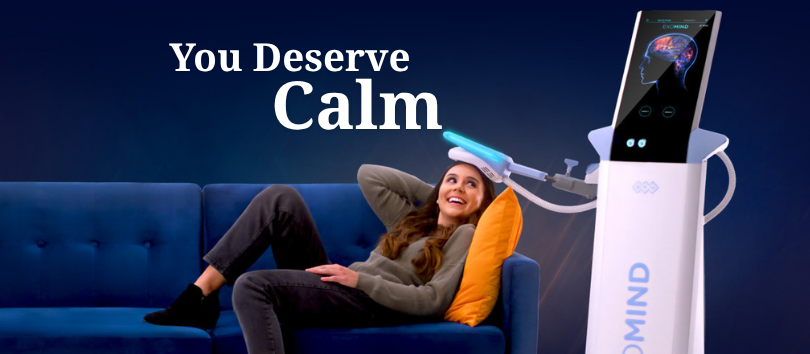
The racing thoughts. The tightness in your chest. The constant feeling that something is about to go wrong. Anxiety hijacks your nervous system and keeps your brain locked in a state of hyper-alert — even when there's no real threat.
EXOMIND® targets the brain regions involved in emotional regulation and stress response. By strengthening healthier neural pathways, treatment helps your brain recalibrate — dialing down the overactive alarm system and restoring a greater sense of calm and control.
You weren't built to live in survival mode. EXOMIND® helps your brain remember that.

PTSD rewires your brain to stay trapped in threat-detection mode. Flashbacks, hypervigilance, emotional numbness, and sleep disruption aren't choices — they're the result of neural circuits that got stuck after trauma.
EXOMIND® stimulates the prefrontal cortex, the brain's executive control center, helping it regain authority over the emotional centers that have been running on overdrive. This supports the brain's natural ability to process, regulate, and move forward.
Healing from trauma isn't about forgetting. It's about giving your brain the tools to stop reliving it.
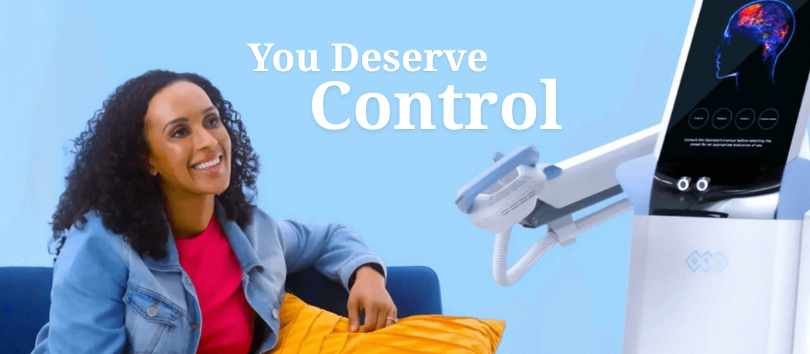
Emotional eating and binge eating aren't about discipline. They're driven by disrupted reward pathways and weakened impulse control circuits in the brain. When stress, anxiety, or depression overwhelm your prefrontal cortex, food becomes a coping mechanism your brain defaults to.
EXOMIND® stimulates the brain regions responsible for self-control, decision-making, and reward processing. By strengthening these neural pathways, treatment helps reduce cravings, support healthier choices, and give you back the sense of control you've been missing.
This isn't a diet. It's brain retraining.

You used to be sharp, driven, and capable. Now everything takes twice the effort and half the focus. You forget things. You can't concentrate. You feel exhausted even after a full night's sleep. That's not laziness — that's a brain running on fumes.
Chronic stress and burnout don't just wear you down emotionally — they physically suppress activity in the prefrontal cortex, the same brain region responsible for focus, decision-making, and mental stamina. Over time, your brain loses its ability to recover on its own.
EXOMIND® stimulates these exact neural circuits, helping restore the cognitive energy and mental clarity that burnout has stolen. Patients often describe it as finally being able to think clearly again — like the mental static has gone quiet.
You don't need another vacation that doesn't work. You need your brain back online.

.svg)
Call our team at (303) 635-2273 to schedule your initial consultation. We’ll discuss your symptoms, health history, and treatment goals to determine if EXOMIND® is right for you.
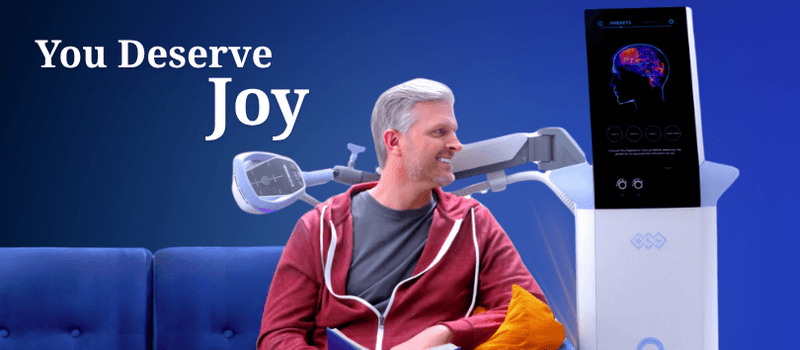
Relax in our treatment area while the EXOMIND® applicator delivers gentle magnetic pulses to targeted brain regions. Sessions last under 30 minutes. Most patients describe the sensation as light tapping; comfortable enough to scroll their phone or close their eyes.

.svg)
Over a series of 6 sessions spaced across approximately 3 weeks, your brain begins forming stronger, healthier neural connections. Many patients notice improvements in mood, clarity, and emotional control within the first few sessions.


Real patients share their experience with EXOMIND® —
what treatment felt like, how quickly they noticed a difference,
and what life looks like now.
.png)
.svg)



EXOMIND® is an FDA-cleared, non-invasive brain stimulation device that uses patented ExoTMS™ technology — an advanced form of repetitive transcranial magnetic stimulation (rTMS). It delivers targeted magnetic pulses to the prefrontal cortex, the brain region responsible for mood regulation, focus, and impulse control, to help restore healthier brain activity.
EXOMIND® is FDA-cleared in the US for the treatment of Major Depressive Disorder in adults who haven't responded adequately to antidepressant medication. Internationally, it also holds approvals for anxiety, OCD, and eating disorders. Our clinical team uses EXOMIND® as part of a comprehensive approach to mental wellness.
Traditional TMS typically requires 36–40 sessions over 8–10 weeks, with each session lasting 40–60 minutes. EXOMIND®'s patented technology compresses a full treatment course into just 6 sessions of under 30 minutes each, completed in roughly 3 weeks. Its ramp-up pulse design also makes treatment significantly more comfortable than older TMS devices, with most patients describing the sensation as gentle tapping rather than the sharp clicking associated with traditional systems.
Most patients describe the sensation as light tapping on the scalp. Treatment is comfortable enough that many patients relax, close their eyes, or use their phone during sessions. Over 90% of patients in published studies rated the comfort positively.
A standard EXOMIND® protocol involves 6 sessions of approximately 20–30 minutes each, spaced 3–7 days apart. Most patients complete the full course in about 3 weeks. This is significantly fewer sessions than traditional TMS, which typically requires 36–40 sessions.
Lorem ipsum dolor sit amet, consectetur adipiscing elit id venenatis pretium risus euismMany patients begin noticing improvements within the first2–4 weeks of treatment. Some report subtle shifts in mood and clarity evenafter the first few sessions. Results vary by individual.od dictum egestas orci netus feugiat ut egestas ut sagittis tincidunt phasellus elit etiam cursus orci in. Id sed montes.
EXOMIND®is generally very well tolerated. The most common side effects are mild scalp discomfort (about 15% of patients) and brief headache (about 10%), both of which typically resolve quickly. No serious adverse events have been reported in published studies.
In many cases, yes. EXOMIND® can be used alongside existing treatments. Your provider will review your current medications and health history during your consultation to ensure it's safe and appropriate for you.
EXOMIND® is generally not covered by insurance at this time. We offer flexible payment options to make treatment accessible. Call our team to discuss pricing and financing.
You’ve spent enough time feeling stuck, overwhelmed,
or not like yourself. EXOMIND® offers a real,
science-backed path forward — no medications,
no surgery, no downtime.
Just 6 comfortable sessions that help your brain
build the stronger connections it needs.
The first step is a conversation.

ExoTMS for Mental Well-Being — Dees M, Halaas Y, McCoy JD. (2025). Journal of Psychiatry and Psychiatric Disorders.DOI: 10.26502/jppd.2572-519X0255
ExoTMS for Binge Eating Symptoms — Pánek D, Donchev TS. (2025). Psychiatry and Clinical Neuroscience Reports.DOI: 10.1002/pcn5.70200
ExoMind Willpower & Food Cravings Trial (Registered, in progress)ClinicalTrials.gov: NCT07056036
ExoMind Brain Reward Pathway in Binge Eating Trial (Registered, in progress)ClinicalTrials.gov: NCT07024550
ExoMind Sleep Quality Trial (Registered, in progress)ClinicalTrials.gov: NCT07027657
Network Meta-Analysis of rTMS for Major Depression — Brunoni AR et al. (2017). JAMA Psychiatry.DOI: 10.1001/jamapsychiatry.2016.3644
rTMS Efficacy After Two Antidepressant Failures — Vida R et al. (2023). BMC Psychiatry.DOI: 10.1186/s12888-023-05033-y
Accelerated TMS for Depression: Systematic Review — Sonmez AI et al. (2019). Psychiatry Research.DOI: 10.1016/j.psychres.2018.12.041
Short- and Long-Term Efficacy of Accelerated TMS — Shi R et al. (2024). BMC Psychiatry.DOI: 10.1186/s12888-024-05545-1
rTMS Combined with Escitalopram for MDD — Liu Z et al. (2024). Frontiers in Psychiatry.DOI: 10.3389/fpsyt.2023.1275839
Antidepressant Class and Concurrent rTMS Outcomes — (2024). eClinicalMedicine / The Lancet.DOI: 10.1016/S2589-5370(24)00339-0
Optimally Combining TMS with Antidepressants — Rakesh G et al. (2024). Journal of Affective Disorders.DOI: 10.1016/j.jad.2024.05.037
TMS in Anxiety and Trauma-Related Disorders: Meta-Analysis — Cirillo P et al. (2019). Brain and Behavior.DOI: 10.1002/brb3.1284
TMS for PTSD: Systematic Review — (2022). Frontiers in Psychiatry.DOI: 10.3389/fpsyt.2022.910897
TMS for PTSD: Comprehensive Review — (2022). PMC / Cureus.PMC: PMC9193572
TMS for PTSD: Multisite VA Cohort Study (756 Veterans) — (2025). Brain Stimulation.DOI: 10.1016/j.brs.2025.11.004
How, Where, and When to Use TMS for PTSD: Systematic Review — (2024). Biological Psychiatry.DOI: 10.1016/j.biopsych.2024.06.019
Neurostimulation Across Mental Disorders: 208 RCTs Meta-Analysis — (2022). Molecular Psychiatry / Nature.DOI: 10.1038/s41380-022-01524-8
TMS and tDCS Dose-Response Meta-Analysis Across Disorders — Sabé M et al. (2024). JAMA Network Open.DOI: 10.1001/jamanetworkopen.2024.12616
Neural Networks and Cognitive Stimulation — (2018). EDULEARN Proceedings.DOI: 10.21125/edulearn.2018.0029
rTMS and Neuroplasticity in Depression: Preclinical Review — (2020). Translational Psychiatry / Nature.DOI: 10.1038/s41398-020-01055-2